
What Is Proration in Billing? How Mid-Cycle Subscription Charges Are Calculated

What is proration in billing? Learn how subscription systems calculate partial charges when users upgrade, downgrade, or change plans during a billing cycle.

Proration is one component of the broader billing lifecycle used by subscription platforms. To understand how billing cycles, renewals, and pricing structures interact, see how subscription pricing works .

What Is Proration in Billing

What is proration in billing? Proration is a billing mechanism used in subscription systems to calculate partial charges when a subscription changes before the end of the current billing period.
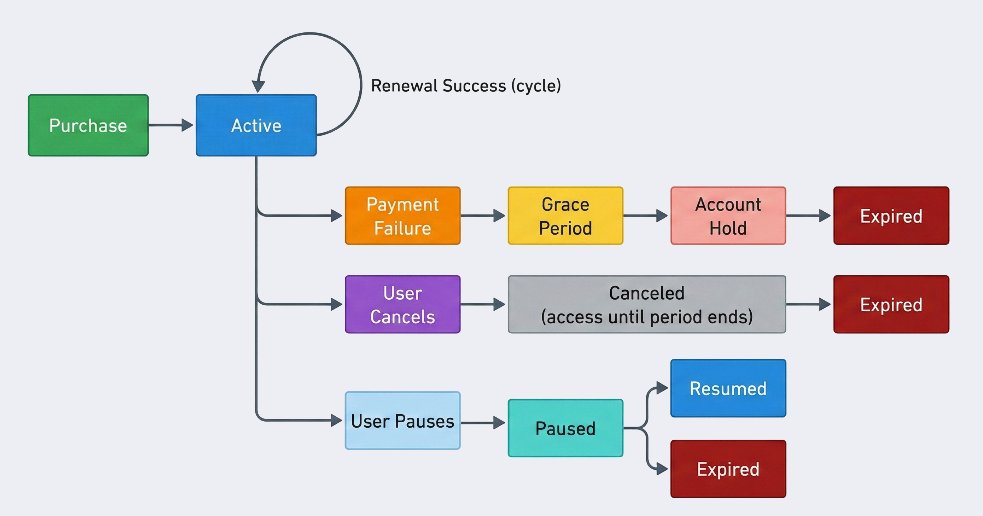
Instead of charging a full billing cycle price when a plan change occurs mid-cycle, billing systems calculate the proportional cost based on the remaining time in the billing period. This allows platforms to adjust charges fairly when users upgrade, downgrade, or modify their subscription during an active billing cycle.

Understanding what proration in billing means requires examining subscription lifecycle management, billing intervals, and time-based pricing calculations. Behind the scenes, proration involves precise billing logic that determines how much value has already been consumed and how much should be charged or credited when a subscription changes.

Within the Pricing Models and Digital Billing pillar, proration is a core billing mechanism that ensures pricing accuracy when subscription states change between renewal events.


Clear System Definition

Proration is a billing calculation method used to determine partial charges or credits when a subscription plan changes during an active billing period.

The system performs several key operations:

  • identifying the current billing period
  • determining how much time has already elapsed
  • calculating the unused portion of the original subscription
  • calculating the cost of the new subscription plan
  • applying a proportional charge or credit

Instead of restarting the billing cycle, proration adjusts the price according to how much of the billing period remains.

Proration is commonly used when:

  • users upgrade subscription plans
  • users downgrade plans
  • pricing tiers change mid-cycle
  • features are added or removed during an active subscription

Where Proration Appears in Real Systems

Proration is widely used across subscription platforms.

Examples include:

  • SaaS software plan upgrades
  • streaming service plan changes
  • cloud infrastructure tier adjustments
  • digital subscription upgrades
  • enterprise software seat expansions

For example, a user subscribed to a $20 monthly plan might upgrade to a $40 plan halfway through the billing cycle. Instead of charging the full $40 immediately, the billing system calculates the difference based on the remaining days in the billing period.

Many billing platforms implement automated proration logic. Stripe provides documentation describing how proration adjustments are applied when subscription changes occur:

https://docs.stripe.com/billing/subscriptions/prorations


What Proration in Billing Is

Precise Definition

Proration in billing is the process of calculating proportional charges or credits when a subscription change occurs before the end of a billing period.

The formula generally follows this structure:

Prorated Charge = (Remaining Time / Total Billing Period) × Price Difference

This calculation ensures that customers only pay for the portion of the service they actually use.

Proration prevents two common billing problems:

  • overcharging users when they upgrade
  • undercharging users when they downgrade

Boundaries of Scope

Proration does not apply to every subscription system.

It usually does not occur when:

  • subscriptions restart immediately after cancellation
  • billing cycles reset when plans change
  • usage-based billing determines costs instead of time

Proration specifically applies to time-based subscription pricing models.

Proration adjustments often occur when users cancel subscriptions before the end of a billing period. The cancellation workflow is described in how subscription cancellation works .


What Problem Proration Solves

Subscription platforms operate with fixed billing cycles such as:

  • monthly billing
  • yearly billing

However, users rarely change their plans exactly at the moment a billing cycle ends.

Without proration, platforms would face several problems:

  • customers would be charged unfairly during upgrades
  • billing systems would create duplicate billing cycles
  • pricing transparency would decrease

Proration solves these problems by allowing billing systems to adjust charges proportionally while keeping the original billing schedule intact.


How Proration in Billing Works (Step-by-Step)

Understanding what proration in billing means requires examining the sequence of events that occur when a subscription changes mid-cycle.

When billing adjustments result in negative balances, platforms may issue partial or full refunds. This process is described in how refunds work for digital subscriptions .


Step 1: Identify the Active Billing Period

Every subscription contains metadata describing its billing schedule.

Important attributes include:

  • billing start date
  • billing interval
  • next renewal date

When a subscription change occurs, the system first determines the boundaries of the active billing period.


Step 2: Calculate Time Consumed

Next, the billing system determines how much of the billing cycle has already passed.

For example:

Monthly plan: 30 days
Day of change: Day 10

Consumed portion = 10 days
Remaining portion = 20 days

This information determines the portion of the original subscription that has already been used.


Step 3: Calculate the Remaining Value

The billing system calculates the unused value of the current subscription.

Example:

Plan price: $30/month
Used: 10 days
Unused: 20 days

Unused value = $20

This value becomes a credit applied toward the new plan.

When proration adjustments result in negative balances, billing systems may issue partial refunds or credits. These billing reversals are explained in how refunds work for digital subscriptions .


Step 4: Apply the New Plan Price

Next, the system calculates the cost of the upgraded plan for the remaining billing period.

Example:

New plan price: $60/month
Remaining time: 20 days

Prorated cost = $40


Step 5: Calculate Final Adjustment

Finally, the billing system calculates the difference between the unused value and the new prorated cost.

Example:

Credit from old plan: $20
Cost of new plan portion: $40

Final charge: $20

The user pays only the difference.


Example Proration Calculation

ScenarioValue
Original plan$30/month
New plan$60/month
Days used10
Days remaining20
Credit from old plan$20
Cost of new plan portion$40
Final prorated charge$20

This process ensures that billing reflects actual service usage.


Relationship to Other Subscription Billing Mechanisms

Proration interacts closely with several other billing systems.

For example:

Subscription plans that use SaaS pricing tiers may apply proration when a user moves between feature levels.

Many SaaS platforms apply proration when customers upgrade or downgrade plans within tiered pricing models. This pricing structure is explained in how SaaS pricing tiers work .

Proration may also occur immediately before auto-renewal billing cycles when subscription changes happen shortly before the renewal date.

Internal reference:
how auto-renewal works

In addition, subscription platforms that offer free trial periods may apply proration if users upgrade during the trial window.

Internal reference:
how free trials work

These interactions demonstrate how proration operates within the broader subscription billing lifecycle.


Tradeoffs and Design Constraints

Although proration improves billing fairness, it introduces several technical challenges.


Time Precision

Proration requires precise time calculations.

Systems must account for:

  • time zones
  • daylight saving changes
  • varying month lengths

Small timing errors can create billing discrepancies.


Billing Transparency

Users must understand why partial charges appear on their invoices.

Without clear billing explanations, prorated adjustments may appear confusing.


Complex Billing Logic

Subscription platforms must implement billing logic capable of:

  • calculating proportional charges
  • generating credits and adjustments
  • preserving the original billing cycle

This increases system complexity compared to simple flat-rate billing.


Common Misconceptions About Proration

Proration Always Reduces Charges

Proration may increase or decrease charges depending on whether the user upgrades or downgrades.


Proration Changes the Billing Cycle

Proration usually preserves the original renewal date.


Proration Only Applies to Upgrades

Proration can apply to both upgrades and downgrades.


FAQ: What Is Proration in Billing

Why do companies use proration?

Proration ensures fair billing when subscription changes occur before the end of a billing cycle.


Do all subscription platforms use proration?

No. Some systems restart billing cycles instead of calculating prorated adjustments.


Can proration create credits?

Yes. Downgrades often create account credits for unused subscription value.


Does proration affect renewal dates?

Usually no. Most billing systems keep the original renewal date unchanged.

Billing System Implementation of Proration

Understanding what proration in billing means also requires examining how billing systems technically implement prorated calculations. While the concept of proration appears simple from a user perspective, subscription platforms must coordinate several internal components to calculate partial charges accurately.

Modern billing systems rely on subscription databases that store metadata describing each customer’s billing state. These records include fields such as:

  • subscription ID
  • current plan ID
  • billing cycle anchor
  • billing interval
  • next renewal timestamp
  • plan price

When a subscription change occurs, the billing system retrieves these attributes to determine how the proration adjustment should be calculated.

The system must first identify the current billing period. This period begins at the billing cycle anchor and ends at the next renewal date. The billing cycle anchor acts as a reference point for all recurring billing events.

Once the billing period boundaries are identified, the billing engine determines how much time has already elapsed and how much time remains. The calculation can be expressed as:

elapsed_time = current_time − billing_cycle_start
remaining_time = billing_cycle_end − current_time

These values are then converted into proportional billing adjustments.

Many subscription billing platforms use billing logic engines to automate these calculations. These engines apply rule-based pricing logic that determines how charges should be adjusted when subscription changes occur.

For example, if a user upgrades from a basic plan to a premium plan, the billing engine performs several actions:

  1. calculates the unused value of the existing plan
  2. calculates the cost of the new plan for the remaining billing period
  3. generates an invoice adjustment reflecting the difference

The resulting adjustment may appear on the user’s invoice as a prorated charge or credit.

Because proration calculations affect financial transactions, billing systems must maintain accurate records of all adjustments. These adjustments are often stored as billing line items that document the reasoning behind each charge.

This approach allows billing systems to produce transparent invoices and maintain accurate financial reporting.


Time-Based vs Day-Based Proration Models

Another important factor in understanding what proration in billing means is the method used to calculate the proportional time value. Different billing platforms may implement different time measurement models when calculating prorated charges.

Two common approaches are day-based proration and time-based proration.


Day-Based Proration

Day-based proration calculates charges based on the number of remaining days in the billing period.

For example:

Billing Period30 days
Day of upgradeDay 15
Remaining days15

If a plan upgrade increases the monthly price by $30, the prorated charge would be calculated as:

prorated_charge = (remaining_days / total_days) × price_difference

Using the example above:

(15 / 30) × $30 = $15

Day-based proration is widely used because it is simple and easy for users to understand.

However, it may introduce small inaccuracies in billing systems where billing events occur at specific times rather than exact day boundaries.


Time-Based Proration

Time-based proration calculates charges using exact timestamps rather than whole days.

This method measures the precise number of hours or seconds remaining in the billing period.

Example:

Billing period = 30 days
Upgrade occurs at 10 days and 12 hours

The system calculates the exact fraction of time remaining using timestamps rather than whole days.

Time-based proration improves billing precision but requires more complex time calculations and timestamp management.

Large-scale subscription platforms often use time-based proration because it aligns more accurately with distributed billing infrastructure.


Proration in Enterprise Subscription Systems

Enterprise subscription platforms frequently rely on proration to manage complex billing scenarios involving multiple users, feature upgrades, or seat-based pricing.

For example, enterprise software often uses per-seat subscription models where organizations pay for each user account.

If a company adds additional users during the billing cycle, the billing system must calculate the prorated cost of those additional seats for the remainder of the billing period.

Example scenario:

Plan price per user$10 per month
Existing users10
New users added mid-cycle5

If the upgrade occurs halfway through the billing cycle, the billing system charges only half of the monthly seat price for the remaining time.

Calculation:

prorated_cost = number_of_new_users × seat_price × remaining_fraction

Example:

5 users × $10 × 0.5 = $25

This ensures that organizations are billed accurately based on actual resource usage.

Enterprise billing systems may also combine proration with other mechanisms such as:

  • subscription changes
  • billing adjustments
  • credit balances

These mechanisms help maintain consistent billing records across complex account structures.

Edge Cases in Proration Calculations

Although proration works well in most scenarios, subscription systems must also account for several edge cases that can affect billing accuracy.


Month Length Differences

Billing cycles often operate on monthly intervals, but months contain different numbers of days.

Examples:

  • February = 28 or 29 days
  • April = 30 days
  • July = 31 days

If proration calculations rely on fixed assumptions about month length, billing discrepancies may occur.

Many platforms therefore calculate proration using actual calendar durations rather than fixed 30-day periods.


Time Zone Differences

Subscription systems may operate across global infrastructure where users exist in multiple time zones.

If billing timestamps are stored in local time rather than coordinated universal time (UTC), proration calculations may produce inconsistent results.

To prevent this issue, most billing platforms standardize billing calculations using UTC timestamps.


Plan Price Changes

Another edge case occurs when subscription pricing itself changes during a billing period.

In such scenarios, the billing system must determine whether proration should be applied using the old pricing model or the updated pricing model.

Some platforms lock pricing rules to the start of the billing period to prevent inconsistencies.

Conclusion

Understanding what proration in billing means is essential for analyzing subscription pricing systems. Proration allows billing platforms to adjust charges proportionally when subscription changes occur during an active billing cycle.

By calculating the unused value of the current plan and the cost of the new plan for the remaining time, billing systems ensure that customers are charged fairly while maintaining consistent billing schedules.

Within modern subscription platforms, proration is a fundamental component of the billing lifecycle and plays an important role in maintaining pricing accuracy across upgrades, downgrades, and plan adjustments.
How Subscription Cancellation Works

How subscription cancellation works explained: learn how billing systems terminate subscriptions, revoke access, handle refunds, and manage lifecycle transitions.

How Subscription Cancellation Works

How subscription cancellation works is a key part of the subscription billing lifecycle. Cancellation mechanisms allow users or platforms to terminate recurring billing relationships and stop future subscription renewals.

In digital services, subscription cancellation does not simply remove a user account. Instead, it triggers a sequence of system operations that update billing records, stop auto-renewal events, and determine how long the user may retain access to the service.

Understanding how subscription cancellation works requires examining billing lifecycle systems, subscription state management, entitlement revocation, and payment processing rules. These mechanisms are part of broader subscription pricing systems, explained in detail in how subscription pricing works.

Within the Pricing Models and Digital Billing pillar, cancellation represents the final stage of the subscription lifecycle and interacts closely with other billing mechanisms such as auto-renewal, proration, and refunds.


Clear System Definition

Subscription cancellation is the process through which a recurring billing agreement is terminated and future renewal charges are prevented.

The cancellation system typically performs several operations:

  • stopping future billing events
  • updating subscription status
  • determining whether access continues until the end of the billing period
  • modifying entitlement permissions
  • recording the cancellation event

Unlike account deletion, cancellation primarily affects billing relationships rather than the existence of the user account.

Most subscription platforms allow users to retain their accounts even after canceling subscriptions.

In some cases, cancellation events may trigger billing reversals. These processes are explained in how refunds work for digital subscriptions .


Where Cancellation Systems Appear

Subscription cancellation mechanisms exist across many digital platforms.

Common examples include:

  • SaaS productivity tools
  • streaming subscriptions
  • online learning platforms
  • digital news subscriptions
  • cloud infrastructure services

For example, a user may cancel a monthly streaming subscription through an account settings page. The platform stops future billing events but often allows access to continue until the end of the billing cycle.

This approach ensures that the user receives the full value of the subscription period they already paid for.


Types of Subscription Cancellation

Understanding how subscription cancellation works requires distinguishing between different cancellation models.

When users cancel subscriptions before the end of a billing period, platforms may adjust charges using proration. This process is explained in what is proration in billing .


Immediate Cancellation

In immediate cancellation systems, the subscription ends as soon as the cancellation request is processed.

Effects include:

  • billing stops immediately
  • user access is revoked immediately
  • subscription status changes to canceled

Immediate cancellation is more common in usage-based services or prepaid systems where access must stop instantly.


End-of-Cycle Cancellation

Many subscription services use end-of-cycle cancellation.

In this model:

  • the subscription remains active until the billing period ends
  • no additional renewal charges occur
  • access continues until expiration

This approach prevents disputes over unused subscription time.


Administrative Cancellation

Some cancellations occur automatically through administrative actions.

Examples include:

  • violation of platform policies
  • fraudulent activity detection
  • payment failure after retry attempts

In these cases, the platform cancels the subscription without a user request.


How Subscription Cancellation Works (Step-by-Step)

Understanding how subscription cancellation works requires examining the sequence of events triggered when a cancellation request occurs.


Step 1: Cancellation Request Initiation

The process begins when a cancellation request is submitted.

This request may originate from:

  • the user interface
  • customer support systems
  • automated billing workflows

The system records the cancellation request in the subscription database.

Key data fields include:

  • subscription ID
  • cancellation timestamp
  • cancellation source
  • cancellation reason (optional)

Step 2: Once the request is recorded, the billing system disables the auto-renewal flag

Once the request is recorded, the billing system disables the auto-renewal flag. This step prevents the next billing cycle from triggering a renewal charge, which is part of the mechanism explained in how auto-renewal works.

Many subscription platforms implement renewal and cancellation workflows using billing infrastructure similar to those described in Stripe’s subscription billing documentation.

https://stripe.com/docs/billing/subscriptions

Internal reference:
how auto-renewal works

Disabling auto-renewal ensures that no additional subscription charges will occur after the current billing period ends.

The subscription record is updated with:

auto_renewal = false

This change prevents future billing cycles from being scheduled.


Step 3: Subscription Status Update

Next, the system updates the subscription status.

Common subscription states include:

StatusMeaning
ActiveSubscription valid
CancelingCancellation requested but access continues
CanceledSubscription terminated
ExpiredBilling period ended

Many systems use an intermediate canceling state that indicates the subscription will end at the next billing boundary.


Step 4: Entitlement Management

Subscription services often grant access through entitlement systems.

When cancellation occurs, the entitlement system must determine whether access should continue.

Possible outcomes include:

ScenarioAccess Result
End-of-cycle cancellationAccess remains until billing period ends
Immediate cancellationAccess revoked immediately
Refund cancellationAccess may terminate immediately

The entitlement system therefore synchronizes access rights with the subscription status.


Step 5: Billing System Updates

After cancellation is processed, the billing system updates its records to reflect the change.

Important updates include:

  • cancellation timestamp
  • final billing date
  • renewal schedule removal

These updates ensure that future invoices are not generated.


Interaction With Other Billing Systems

Cancellation mechanisms interact closely with several other billing systems.


Free Trials

Users often cancel subscriptions during free trial periods, especially to avoid the first billing event. The transition from trial access to paid subscription is explained in how free trials work.

Internal reference:
how free trials work

In these cases, cancellation prevents the first billing event from occurring.


Proration

If a subscription is canceled shortly after an upgrade, billing systems may apply prorated adjustments. These calculations determine how much of the billing cycle was used and how much should be credited, which is explained in what is proration in billing.

Internal reference:
what is proration in billing

This ensures that users are not charged for unused service time.


Refund Systems

In some cases, cancellations trigger refund workflows. If a user cancels shortly after a renewal charge, the platform may issue a refund for that billing event, which is described in how refunds work for digital subscriptions.

Internal reference:
how refunds work for digital subscriptions

For example, if a user cancels shortly after a renewal charge, the platform may issue a refund for that billing event.


Access Revocation Systems

A critical aspect of how subscription cancellation works involves revoking access to premium features.

Access control systems monitor subscription status when determining whether users can access restricted content.

Example access rule:

IF subscription_status = active
allow access
ELSE
restrict access

When cancellation occurs and the subscription expires, the entitlement system automatically blocks access.


Cancellation Timing and Billing Boundaries

In some ecosystems, subscription cancellations must occur through the platform that processed the payment. For example, mobile applications that sell subscriptions through in-app purchases require cancellations to occur through the platform store, as explained in how in-app purchases work.

Example scenario:

Billing PeriodMarch 1 – March 31
Cancellation RequestMarch 15
Access ExpirationMarch 31

Even though the user cancels on March 15, access remains active until March 31.

This approach ensures billing fairness.


Cancellation and Platform Billing

In some ecosystems, subscription cancellations must occur through the platform that processed the payment.

For example:

Mobile applications that sell subscriptions through in-app purchases require cancellations to occur through the platform store.

Internal reference:
how in-app purchases work

This architecture ensures that platform billing rules remain consistent.


Challenges in Subscription Cancellation Systems

Cancellation systems introduce several operational challenges.


Billing Disputes

Users may dispute charges if they believe cancellations were processed incorrectly.

Accurate timestamp records help resolve these disputes.


Subscription Abuse

Some users may repeatedly subscribe and cancel services to exploit promotional offers.

Platforms may impose limits on repeated trial activations.


Complex Subscription Structures

Enterprise subscriptions may involve multiple users or features.

Cancellation logic must ensure that removing a subscription does not break other account dependencies.


Cancellation Metrics in Subscription Platforms

Many platforms monitor cancellation metrics to analyze subscription performance.

Common metrics include:

MetricDescription
churn ratepercentage of canceled subscriptions
cancellation frequencyhow often users cancel
retention ratepercentage of users who keep subscriptions

These metrics help platforms evaluate subscription system behavior.


Subscription Cancellation State Machines

Understanding how subscription cancellation works also requires examining how subscription systems model cancellation using state machines.

A state machine is a system design pattern that defines how a subscription transitions between different operational states.

Subscription billing platforms typically represent subscription status as a controlled set of states stored in the billing database.

Common subscription states include:

Subscription StateDescription
TrialingUser is in a free trial period
ActiveSubscription is paid and active
CancelingCancellation requested but access continues
Past DuePayment failed and retry attempts are occurring
CanceledSubscription terminated
ExpiredAccess period has ended

When examining how subscription cancellation works, the most important transition is the movement from Active → Canceling → Canceled.

For example:

Active → Canceling → Expired

This sequence allows the system to maintain access until the end of the billing cycle while ensuring that no future renewal charges are scheduled.

The canceling state is particularly important. Instead of terminating the subscription immediately, the system flags the subscription for termination at the next billing boundary.

This state prevents billing errors because the system can still track the subscription until the paid period expires.

Scheduled Jobs and Cancellation Execution

Another important part of how subscription cancellation works involves scheduled background processes.

Subscription billing systems often rely on scheduled jobs to process lifecycle events.

These jobs run automatically at defined intervals to perform operations such as:

  • subscription renewals
  • trial expiration checks
  • billing retries
  • cancellation completion

When a subscription is marked as canceling, the system does not immediately remove access. Instead, the system schedules a background job to process the cancellation when the billing period ends.

For example:

EventTimestamp
Subscription startedMarch 1
Cancellation requestedMarch 12
Billing cycle endMarch 31
Cancellation executionMarch 31

At the moment the billing cycle ends, the scheduled job performs several actions.

These actions typically include:

  • updating subscription status to canceled
  • revoking entitlements
  • removing future billing schedules
  • recording lifecycle logs

Scheduled job systems must be reliable because failures in these processes could result in billing errors.

For example, if the cancellation job fails to execute, the system might accidentally attempt another renewal charge.

To prevent this problem, many billing platforms implement redundancy in lifecycle processing systems.


Access Revocation Timing

Another important aspect of how subscription cancellation works is determining exactly when access to premium features should be revoked.

Different platforms enforce different access revocation policies.

These policies typically fall into three categories.


Immediate Access Revocation

Some platforms revoke access immediately after cancellation.

Example scenario:

EventResult
User cancels subscriptionAccess removed instantly
BillingNo further charges

Immediate revocation is often used in systems where usage directly consumes infrastructure resources.

For example:

  • cloud infrastructure
  • metered API systems
  • compute services

These systems cannot allow continued access without billing because resource consumption has direct operational costs.


End-of-Cycle Access

Most consumer subscription services allow access until the end of the billing period.

Example:

EventResult
User cancels mid-cycleAccess remains active
Billing period endsAccess revoked

This model is common for:

  • streaming services
  • SaaS software
  • online courses
  • digital publications

Allowing access until the billing boundary prevents disputes about unused service time.


Grace Period Access

Some systems introduce a grace period between cancellation and full access revocation.

Example structure:

StateAccess
ActiveFull access
CancelingFull access
Grace periodLimited access
ExpiredNo access

Grace periods may allow users to:

  • export data
  • download purchased content
  • reactivate subscriptions

These policies improve user experience while maintaining billing integrity.


Data Logging and Cancellation Audits

Another key component of how subscription cancellation works involves transaction logging and auditing systems.

Subscription platforms must record cancellation events for several reasons.

These include:

  • resolving billing disputes
  • meeting financial compliance requirements
  • maintaining accurate subscription metrics

When a cancellation occurs, the billing system typically records several pieces of data.

Example cancellation log:

FieldDescription
Subscription IDUnique subscription record
User IDAccount owner
Cancellation timestampExact time of cancellation
Cancellation sourceUser interface or support agent
Billing cycle end dateFinal access date

These records allow platforms to reconstruct the lifecycle of a subscription if disputes occur.

For example, if a user claims they canceled before renewal, the system logs can confirm the exact timestamp.

Accurate audit logs are therefore essential to maintaining trust in subscription billing systems.


Subscription Reactivation Systems

Another important part of how subscription cancellation works involves the ability to reactivate canceled subscriptions.

Many platforms allow users to reactivate subscriptions before the billing cycle ends.

Example scenario:

EventResult
User cancels subscriptionAuto-renewal disabled
User changes mind before expirationSubscription reactivated

Reactivation typically involves restoring the auto-renewal flag in the billing system.

Example update:

auto_renewal = true
subscription_status = active

This prevents the scheduled cancellation job from executing.

Reactivation systems reduce friction for users who cancel accidentally or change their minds.


Edge Cases in Cancellation Systems

Complex subscription platforms must also handle unusual edge cases.

These scenarios can complicate how subscription cancellation works.


Cancellation During Payment Retry

If a payment fails and the billing system is retrying the charge, a cancellation request may occur during the retry window.

Possible outcomes include:

ScenarioResult
User cancels during retryRetry stops
Retry succeeds before cancellationSubscription remains active

Billing logic must ensure these conditions are handled consistently.


Cancellation After Renewal Charge

Another common edge case occurs when a user cancels immediately after renewal.

Example:

EventTimestamp
Renewal chargeApril 1
Cancellation requestApril 2

In this case, the system must determine whether to:

  • allow access until the next cycle
  • issue a refund
  • convert the subscription into end-of-cycle cancellation

Many platforms handle this scenario through refund policies.


Cancellation of Multi-Seat Subscriptions

Enterprise subscriptions may involve multiple users within a single subscription.

Example structure:

OrganizationSeatsActive Users
Company A108

Canceling the subscription must ensure that:

  • access is removed from all associated users
  • billing records reflect the cancellation
  • account data remains accessible if needed

This complexity requires additional entitlement synchronization.


Relationship Between Cancellation and Subscription Churn

Understanding how subscription cancellation works also helps explain subscription churn, which measures how many users terminate subscriptions over time.

Churn is calculated as:

Churn Rate = Cancelled Subscriptions ÷ Total Subscriptions

Example:

MonthSubscribersCancelledChurn Rate
January10,0005005%
February10,2005105%

Churn metrics help platforms understand the health of subscription systems.

However, the cancellation mechanisms themselves remain purely operational components of billing infrastructure.


Cancellation System Design Constraints

Several design constraints affect how subscription cancellation works.

These constraints include:

Billing Integrity

Cancellation systems must guarantee that no additional billing occurs after cancellation.

Timestamp Accuracy

Billing disputes often arise from incorrect timestamps.

Distributed System Synchronization

Large platforms may have multiple services that depend on subscription status.

Cancellation updates must propagate across all systems.

Payment System Integration

Billing systems must coordinate with payment processors to ensure that cancellation events stop future charges.


FAQ: How Subscription Cancellation Works

Does canceling a subscription immediately remove access?

Not always. Many platforms allow access until the billing cycle ends.


Can subscriptions be reactivated after cancellation?

Yes. Some platforms allow subscriptions to be reactivated before expiration.


Can cancellation trigger refunds?

Sometimes. Refunds may occur depending on platform policies and billing timing.


Why do platforms require cancellation before renewal dates?

This prevents automatic renewal charges for the next billing cycle.


Conclusion

Understanding how subscription cancellation works is essential for analyzing digital subscription billing systems. Cancellation mechanisms ensure that users can terminate recurring billing relationships while maintaining consistent billing records and entitlement management.

By coordinating subscription state updates, billing system modifications, and access control enforcement, cancellation systems allow digital platforms to manage the final stage of the subscription lifecycle reliably.

How Auto-Renewal Works in Subscription Billing Systems

How auto-renewal works in subscription billing systems: understand billing cycles, payment retries, subscription states, and automated renewal logic in digital platforms.

How auto-renewal works is a key concept in subscription-based pricing systems. Auto-renewal allows digital services to automatically extend a customer’s subscription at the end of each billing period without requiring manual payment confirmation.

Instead of asking users to purchase access again after every billing cycle, subscription platforms store billing information and trigger automated renewal charges. When the renewal process is successful, the subscription period is extended and the user retains uninterrupted access to the product or service.

Understanding how auto-renewal works requires examining subscription lifecycle management, billing schedules, payment processing systems, and retry mechanisms.

These mechanisms operate within broader subscription architectures that define recurring billing intervals and lifecycle states.

Auto-renewal is not simply a recurring charge — it is a coordinated system that manages time-based entitlements, financial transactions, and access control across billing cycles.

Within the Pricing and Billing Systems pillar, auto-renewal is closely connected to subscription models, free trials, usage-based pricing, and SaaS pricing tiers.

Clear System Definition

Auto-renewal is a subscription billing mechanism that automatically charges a customer at the end of each billing cycle and extends access to the service.

The system performs several key actions:

  • Detecting the end of a billing period
  • Generating a renewal invoice
  • Charging the stored payment method
  • Updating the subscription status
  • Extending entitlement access

If the payment is successful, the subscription remains active. If the payment fails, the system triggers retry logic or changes the subscription status.

Auto-renewal is designed to maintain continuous service access without requiring the user to manually repurchase the subscription.

Many mobile apps implement recurring subscriptions through in-app purchase subscriptions, which rely on platform billing infrastructure.


Where Users Encounter Auto-Renewal

Auto-renewal is used across many types of digital platforms.

Common examples include:

  • Streaming subscriptions
  • SaaS productivity software
  • Cloud infrastructure platforms
  • Mobile app subscriptions
  • Online learning platforms
  • Membership websites

For example, when users subscribe to a monthly streaming service, the platform automatically charges their payment method every month. As long as the renewal payment succeeds, the subscription continues without interruption.

Major payment platforms such as Stripe provide documentation explaining automated subscription billing systems:

https://docs.stripe.com/billing/subscriptions/overview

What Auto-Renewal Is

Precise Definition

Auto-renewal is a billing system feature that automatically extends a subscription period after the current billing cycle ends.

The renewal process includes:

  1. Detecting the upcoming billing date
  2. Generating a new billing invoice
  3. Charging the stored payment method
  4. Updating subscription metadata
  5. Extending service access

The system executes these steps automatically according to the defined billing interval.


Boundaries of Scope

Auto-renewal does not include:

  • One-time purchases
  • Manual subscription renewals
  • Usage-based billing without recurring periods
  • Lifetime access purchases

Auto-renewal specifically applies to time-based subscription billing models where access must be renewed periodically.


What Problem Auto-Renewal Solves

Auto-renewal exists because subscription services operate continuously over time.

Without auto-renewal systems:

  • Users would need to manually repurchase subscriptions every billing cycle.
  • Platforms would experience frequent service interruptions.
  • Billing systems would require manual confirmation for every payment.

Auto-renewal solves several operational problems:

  • Maintaining uninterrupted service access
  • Simplifying billing operations
  • Reducing manual payment interactions
  • Supporting predictable recurring revenue models

For digital platforms, auto-renewal ensures that subscription access and billing cycles remain synchronized.

If subscription changes occur before a renewal date, billing systems may apply prorated adjustments. These adjustments are described in what is proration in billing .


How Auto-Renewal Works (Step-by-Step)

Understanding how auto-renewal works requires examining the internal subscription lifecycle.


Step 1: Subscription Creation

The process begins when a user subscribes to a service.

During signup, the system stores:

  • customer ID
  • subscription ID
  • billing interval (monthly, yearly, etc.)
  • next billing date
  • payment method token

The billing interval determines when auto-renewal will occur.


Step 2: Billing Cycle Monitoring

The system continuously monitors subscription records.

A background job or billing scheduler checks:

current_time >= next_billing_date

When the billing date arrives, the renewal process begins.

Billing schedulers often operate through distributed task systems that process renewal events in batches.


Step 3: Invoice Generation

Before charging the customer, the billing system generates a renewal invoice.

The invoice typically includes:

  • subscription fee
  • applicable taxes
  • discounts or credits
  • usage-based overages (if applicable)

The invoice becomes the financial record for the upcoming billing period.


Step 4: Payment Processing

Once the invoice is generated, the system attempts to charge the stored payment method.

The payment request is sent to the payment processor.

If the transaction is successful:

  • the invoice is marked as paid
  • the subscription period is extended
  • access remains active

Payment processing relies on external payment networks such as credit card systems or digital wallets.

Stripe provides detailed documentation on recurring billing mechanisms:

https://docs.stripe.com/billing

Step 5: Subscription Extension

After a successful payment, the system updates the subscription metadata.

Typical updates include:

  • new billing cycle start date
  • next billing date
  • payment history record
  • renewal confirmation status

The user’s entitlements continue without interruption.


Payment Failure and Retry Logic

Understanding how auto-renewal works also requires examining payment failures.

Payments may fail for several reasons:

  • expired credit cards
  • insufficient funds
  • fraud detection triggers
  • network errors

When a payment fails, the system usually enters a retry phase.

Retry logic may include:

  • multiple payment attempts over several days
  • reminder emails requesting updated payment methods
  • temporary grace periods

If payment retries fail, the subscription status may change to past_due or canceled.


Subscription States in Auto-Renewal Systems

Auto-renewal platforms often manage multiple subscription states.

Subscription StateDescription
ActiveSubscription is valid and auto-renewal is scheduled
TrialingUser is in a free trial period
Past DuePayment attempt failed
CanceledSubscription ended
IncompletePayment method not provided

These states help billing systems determine when auto-renewal should occur.

Relationship Between Auto-Renewal and Other Pricing Systems

Auto-renewal interacts with several other billing mechanisms.

These include:

  • subscription pricing models
  • free trial onboarding periods
  • SaaS pricing tiers
  • usage-based pricing

For example:

Some services begin with a free trial period before the first auto-renewal occurs.

Others combine usage-based pricing with recurring subscription fees.

Platforms with multiple SaaS pricing tiers may apply different renewal charges depending on the user’s selected plan.

Internal references:

  • how free trials work
  • what is usage-based pricing
  • how SaaS pricing tiers work
  • how subscription pricing works

Tradeoffs and Design Constraints

Although auto-renewal simplifies subscription billing, it introduces several operational challenges.


Payment Reliability

Auto-renewal systems depend heavily on payment reliability.

Expired cards or declined payments may disrupt the renewal process.

Platforms must implement retry logic and notification systems to reduce churn caused by payment failures.


Customer Transparency

Many jurisdictions require businesses to clearly disclose auto-renewal terms.

Users must be informed about:

  • billing frequency
  • renewal charges
  • cancellation procedures

Clear communication helps reduce billing disputes.


Billing System Complexity

Recurring billing requires reliable infrastructure.

Auto-renewal systems must manage:

  • millions of subscription records
  • billing schedules
  • tax calculations
  • payment retries
  • subscription state transitions

Even small system errors can impact large numbers of users simultaneously.


Common Misconceptions About How Auto-Renewal Works

Auto-Renewal Means Unlimited Access

Auto-renewal only extends access if payment succeeds.

If payment fails, the subscription may be suspended.


Auto-Renewal Charges Without Notification

Most subscription platforms notify users before renewal dates or provide billing reminders.


Auto-Renewal Cannot Be Cancelled

Users typically retain the ability to cancel subscriptions before the next renewal cycle.


FAQ: How Auto-Renewal Works

What happens if a subscription auto-renewal payment fails?

Most systems initiate retry attempts and notify the user to update payment details. If payment remains unsuccessful, the subscription may enter a suspended or canceled state.


Can users disable auto-renewal?

Yes. Most subscription platforms allow users to cancel before the next billing cycle, preventing the renewal charge.


Do auto-renewal systems charge immediately at midnight?

Billing schedules vary. Some systems process renewals at specific times of day depending on system load and regional billing policies.


Are auto-renewal payments secure?

Auto-renewal payments rely on encrypted payment processing systems that comply with financial security standards.


Billing Cycle Timing and Renewal Scheduling

Understanding how auto-renewal works also requires examining how billing systems schedule renewal events across large numbers of subscriptions. While the concept of auto-renewal appears simple from a user perspective, the underlying infrastructure must handle precise timing and high transaction volumes.

Every subscription contains metadata that defines when the next renewal should occur. This information is stored in subscription records as fields such as:

  • billing interval
  • billing cycle anchor
  • next billing date
  • renewal status

The billing cycle anchor is especially important because it determines the recurring schedule for future renewals. For example, if a user subscribes on the 15th of the month to a monthly plan, the system may set the billing cycle anchor to that specific date. Future renewals then occur on the same day of each billing cycle.

However, large platforms rarely execute renewals at exactly midnight for every subscription. Instead, they often distribute renewal jobs across time windows to reduce system load. This approach helps prevent performance bottlenecks that could occur if thousands or millions of payments were processed simultaneously.

In practice, renewal scheduling systems operate through background task processors. These processors scan subscription databases and identify records where the current time has reached or passed the next billing date. When this condition is detected, the system queues a renewal task that generates an invoice and attempts payment.

A simplified renewal logic check may look like this:

current_time >= next_billing_date

When this condition evaluates as true, the subscription enters the renewal workflow.

Large billing systems often process renewals in batches rather than individually. Batch processing allows platforms to handle large volumes of subscriptions efficiently. It also helps payment processors manage transaction throughput and reduces the likelihood of rate limits or service interruptions.

Another important element of how auto-renewal works is timezone management. Subscription systems must decide which timezone governs billing schedules. Some platforms standardize billing events using Coordinated Universal Time (UTC), while others anchor billing cycles to the user’s regional timezone. Without consistent time management, renewal events could trigger earlier or later than expected, leading to billing disputes.

Platforms must also consider edge cases such as:

  • months with different numbers of days
  • daylight saving time changes
  • leap years
  • delayed background jobs

For example, if a user subscribes on January 31st to a monthly plan, the system must determine how renewals behave in shorter months such as February. Some billing systems automatically shift renewal dates to the final day of the month, while others adjust the billing cycle anchor permanently.

Auto-renewal scheduling also interacts with payment processor limits and fraud detection systems. When many transactions are processed simultaneously, payment gateways may temporarily flag large volumes of similar charges. To avoid triggering security mechanisms, some subscription platforms stagger renewal attempts across several hours or even multiple days.

In addition, renewal systems must remain resilient to temporary outages. If a billing job fails or the payment processor becomes unavailable, the system must retry the renewal attempt once services are restored. This ensures that temporary infrastructure problems do not permanently disrupt subscriptions.

Because of these operational challenges, large subscription platforms invest heavily in reliable scheduling infrastructure. Renewal schedulers, job queues, and background workers coordinate to ensure that billing events occur accurately and consistently across millions of users.

When analyzing how auto-renewal works at scale, the key takeaway is that renewal timing is not simply a single payment trigger. It is part of a distributed scheduling system that continuously monitors subscription records, generates billing events, and processes payments across the entire platform.

Conclusion

Understanding how auto-renewal works is essential for analyzing subscription-based pricing systems. Auto-renewal enables digital platforms to extend subscription access automatically while maintaining synchronized billing cycles.

The system relies on coordinated processes including billing schedules, invoice generation, payment processing, and subscription state management. When implemented correctly, auto-renewal ensures uninterrupted service access while reducing manual billing interactions.

Within modern digital platforms, auto-renewal is a foundational component of subscription pricing systems and plays a critical role in maintaining stable recurring revenue models.

How free trials work

How free trials work in subscription systems: understand trial states, billing handoff, entitlement control, payment retries, and lifecycle transitions in digital billing architectures.

How free trials work is often explained as “temporary free access before payment begins.” From a systems perspective, this description is incomplete. A free trial is not simply free usage — it is a controlled billing state inside a subscription system with deterministic time boundaries, entitlement rules, and a scheduled billing transition.

Understanding how free trials work requires examining subscription objects, billing lifecycle transitions, payment authorization logic, entitlement enforcement, time precision constraints, and failure handling. The complexity lies not in granting access, but in managing the handoff from non-billable state to billable state without financial inconsistency, entitlement ambiguity, or revenue leakage.

In modern digital systems, free trials are tightly integrated with subscription engines, identity layers, invoice generators, and payment processors. They are lifecycle phases, not promotional add-ons. This article explains how free trials work as a system mechanism inside digital billing architectures.

To understand the broader context in which trial states exist, it helps to examine how subscription pricing works at a system level.


Clear System Definition

A free trial is a time-bound subscription state that:

  • Grants temporary entitlements
  • Defers billing
  • Schedules a future billing event
  • Defines deterministic transition rules
  • Preserves billing context for later activation

It operates inside the broader subscription lifecycle and must integrate with:

  • Authentication systems
  • Entitlement systems
  • Billing logic engines
  • Payment processing infrastructure
  • Access control mechanisms
  • Time and scheduling services

A free trial is not an absence of billing logic. It is a delayed billing state governed by predefined transition conditions.


Where Users Encounter Free Trials

Users encounter free trials in:

  • SaaS subscription platforms
  • Streaming services
  • Developer tools
  • API-based platforms
  • Cloud infrastructure dashboards
  • Productivity applications
  • Enterprise software procurement flows

In many SaaS products, trial access reflects the structure of defined pricing tiers that later determine billing and entitlements.

In each case, the system must manage the same structural problem:

Provide temporary entitlement access while preparing a deterministic billing activation event.

The external user experience may differ, but the internal mechanics follow similar architectural patterns.


What It Is

Precise Definition

A free trial is a structured subscription lifecycle phase in which:

  • subscription_status = trialing
  • charges = deferred
  • entitlements = temporarily active
  • billing_activation = scheduled

It is not a separate pricing model.
It is a controlled pre-billing state inside a subscription model.

The defining property of how free trials work is that billing activation is predetermined, not manually triggered. The system schedules a transition event at trial creation time.


Boundaries of Scope

This article does not include:

  • Freemium (permanent free tiers with no billing transition)
  • One-time promotional credits
  • Demo environments without subscription objects
  • Marketing strategy for conversion
  • Behavioral experimentation

This article strictly explains how free trials work inside billing systems.


What Problem Free Trials Solve

From a systems perspective, free trials solve:

  • Controlled temporary access before payment
  • Deferred payment authorization
  • Subscription initialization without immediate settlement
  • Reduced onboarding friction while preserving billing structure

The key technical challenge is:

Scheduling a predictable billing handoff while maintaining entitlement correctness and financial integrity.

Free trials allow a system to initialize the full subscription context early — including plan, billing interval, and pricing rules — while deferring charge execution.


How Free Trials Work in Subscription Billing Systems

This section explains step-by-step how free trials work operationally.


Step 1: Account Creation and Identity Binding

A trial begins when:

  • A user creates an account
  • Authentication credentials are established
  • A subscription object is created

The system creates structured records:

  • user_id
  • subscription_id
  • plan_id
  • status = trialing
  • trial_start_timestamp
  • trial_end_timestamp
  • billing_cycle_anchor
  • currency
  • pricing_version

Identity binding is critical because how free trials work depends on associating a single trial period with a unique account or entity. Systems may enforce:

  • One trial per email
  • One trial per payment method
  • One trial per organization
  • Device-based restrictions

Without identity constraints, trial abuse becomes a systemic risk.

In many subscription platforms, this transition activates the auto-renewal billing system that continues charging the subscription at regular intervals.


Step 2: Trial State Initialization

When status = trialing:

  • No invoice is generated
  • No subscription charge is applied
  • Billing cycle countdown begins
  • Entitlements activate under trial rules

The subscription record must define:

  • Trial duration
  • Exact expiration timestamp
  • Billing interval after trial
  • Next billing date
  • Plan configuration snapshot

Time boundary precision is critical.

The system must define:

  • Timezone authority (UTC vs regional)
  • Inclusive vs exclusive expiration logic
  • Timestamp rounding behavior
  • Execution timing tolerance

Even small timing inconsistencies can create billing disputes or early suspension errors.


Step 3: Entitlement Activation During Trial

Entitlement systems evaluate subscription state continuously.

Logic pattern:

IF subscription_status == trialing
THEN grant trial entitlements

Trial entitlements may include:

  • Full feature access
  • Limited feature access
  • Usage caps
  • Sandbox-only permissions
  • API rate limits
  • Temporary quota thresholds

How free trials work depends heavily on entitlement mapping accuracy. Entitlements must reflect:

  • Trial limitations
  • Plan characteristics
  • Future paid access expectations

Incorrect entitlement mapping can result in:

  • Overexposure of premium features
  • Unexpected feature removal at conversion
  • Customer confusion during handoff

Step 4: Payment Method Collection

How free trials work depends significantly on when payment credentials are collected.

Model A: Card Required at Signup

  • Card token stored securely
  • Optional authorization pre-check
  • Automatic charge at trial end
  • Billing handoff is automated

Advantages:

  • Predictable conversion flow
  • Lower post-trial friction

Risks:

  • Authorization declines at activation
  • Card expiration before trial end
  • Fraud detection triggers

Model B: Card Required at Trial End

  • Reminder notification sent
  • No automatic charge possible without card
  • Subscription may expire if card not added

Advantages:

  • Lower signup friction
  • Reduced initial abandonment

Risks:

  • Higher drop-off at trial end
  • Manual billing interruption

The chosen model directly affects how free trials work during billing handoff.

Reference documentation:

https://docs.stripe.com/billing/subscriptions/trials

Step 5: Trial Countdown Monitoring

The system continuously evaluates:

current_time >= trial_end_timestamp

If false:

  • Remain in trial state

If true:

  • Trigger billing activation workflow

Monitoring may be implemented via:

  • Scheduled background jobs
  • Event-driven triggers
  • Distributed lifecycle processors
  • Cron-based subscription sweepers

The monitoring service must be resilient to:

  • Delayed job execution
  • Queue backlogs
  • Server restarts
  • Clock synchronization errors

Trial expiration must execute once and only once to avoid duplicate billing attempts.


Step 6: Billing Handoff (Trial → Active)

This is the most critical moment in how free trials work.

When trial ends:

  1. status changes from trialing → active
  2. Invoice object is generated
  3. Billing logic calculates subscription charge
  4. Payment attempt executed
  5. Entitlements updated accordingly

The transition must be atomic. Partial execution may cause:

  • Active subscription without invoice
  • Invoice without status change
  • Entitlement mismatch

Possible outcomes:

Successful Payment

  • Subscription remains active
  • Entitlements continue uninterrupted
  • Next billing cycle scheduled

Failed Payment

  • status = past_due
  • Retry logic initiated
  • Grace period may activate
  • Entitlement downgrade may occur

No Payment Method

  • status = incomplete
  • Access may be suspended
  • Reminder notifications triggered

The billing handoff defines the correctness of the entire free trial system.

This transition mirrors the activation phase described in subscription pricing architectures, where billing state and entitlement state must remain synchronized.


Step 7: Grace Period Handling

Some systems implement controlled grace windows.

Grace handling may include:

  • Retry intervals (e.g., 3 attempts over 7 days)
  • Partial entitlement continuation
  • Gradual feature restriction
  • Hard suspension after threshold

Grace periods require:

  • Retry counters
  • Scheduled payment attempts
  • Deterministic suspension rules
  • Audit logging of attempts

Grace logic must be transparent and consistent to avoid disputes.


Variations in How Free Trials Work

Free trials can be implemented in multiple structural forms.


1. Time-Based Trials

Fixed duration (e.g., 7, 14, 30 days).

Characteristics:

  • Simple time boundary
  • No dependency on usage
  • Straightforward billing activation

Most common implementation.


2. Usage-Capped Trials

Trial ends when:

  • Usage exceeds defined threshold
  • Resource consumption limit reached

This combines free trials with usage-based pricing logic.

This combines free trials with usage-based pricing logic, where consumption is measured and later converted into billable units.

System must track:

  • Metered usage during trial
  • Cap threshold triggers
  • Early billing activation

3. Feature-Limited Trials

Trial entitlements restricted to:

  • Reduced quotas
  • Restricted feature sets
  • Limited API endpoints
  • Sandbox-only environments

Conversion transition may unlock:

  • Expanded quotas
  • Production endpoints
  • Higher rate limits

4. Credit-Based Trials

System grants free credits:

  • Credits deducted via usage metering
  • Trial ends when credit balance reaches zero

This merges prepaid billing logic with trial state.

The system must ensure credit deduction consistency and prevent overdraft.

When the trial period ends in a mobile application, the system may convert the user into a paid subscription through in-app purchase billing systems.


Tradeoffs and Design Constraints

Abuse Prevention

Systems must prevent:

  • Multiple trial registrations
  • Disposable email usage
  • Payment method cycling
  • Device rotation abuse

Controls may include:

  • Email verification
  • Payment fingerprinting
  • Device identification
  • IP rate limiting
  • Account uniqueness constraints

Time Precision Risks

Trials depend on exact time boundaries.

Risks include:

  • Clock drift across distributed systems
  • Daylight savings transitions
  • Leap seconds
  • Server timezone inconsistencies
  • Delayed job execution

Free trials are highly sensitive to timestamp precision.


Payment Failure Complexity

Trial-to-paid transition introduces:

  • Card expiration risk
  • Insufficient funds
  • Fraud detection triggers
  • Authorization declines
  • Network failures during charge attempt

Payment retry logic must be deterministic, logged, and reproducible.


Common Misconceptions About How Free Trials Work

Misconception 1: Trials Are Just “Free Time”

They are subscription states with scheduled billing activation and defined transition rules.


Misconception 2: Trials Require No Billing System

Trials require:

  • Subscription objects
  • Invoice generation
  • Payment processing integration
  • Status transitions
  • Retry workflows

They are billing systems with delayed charging.


Misconception 3: Trial Expiration Is Always Immediate

Some systems:

  • Allow grace windows
  • Delay suspension
  • Retry payment before revoking access

Expiration behavior is configurable and rule-driven.


What This Article Does NOT Cover

This article does not cover:

  • Marketing optimization
  • Conversion strategies
  • Funnel experimentation
  • Behavioral psychology
  • Trial length optimization

It focuses strictly on how free trials work inside billing architectures.


Short Glossary

Trial State — Temporary subscription status before billing activation.
Billing Handoff — Transition from trial to paid subscription.
Grace Period — Post-failure temporary access window.
Entitlement — Access rights granted by subscription state.
Retry Logic — Automated payment reattempt sequence.
Subscription Object — Database record representing billing relationship.
Billing Cycle Anchor — Timestamp defining recurring billing interval start.


Conclusion

How free trials work is best understood as a deterministic subscription lifecycle phase that temporarily activates entitlements while scheduling a billing activation event. The complexity lies not in granting access, but in managing the transition from trialing to active status without financial inconsistency, entitlement ambiguity, duplicate billing, or missed charges.

A free trial is a controlled billing state. It connects identity systems, entitlement enforcement, billing logic, invoice generation, payment processing, and lifecycle monitoring into a scheduled transition workflow. When implemented correctly, it provides temporary access while maintaining structural correctness in digital billing systems.

At a systems level, how free trials work is not about free access. It is about precise state management, deterministic timing, and reliable billing handoff inside subscription architectures.